29 Sep 2026
Tracing Regulatory Milestones That Quietly Redefined Wagering Markets Across Europe
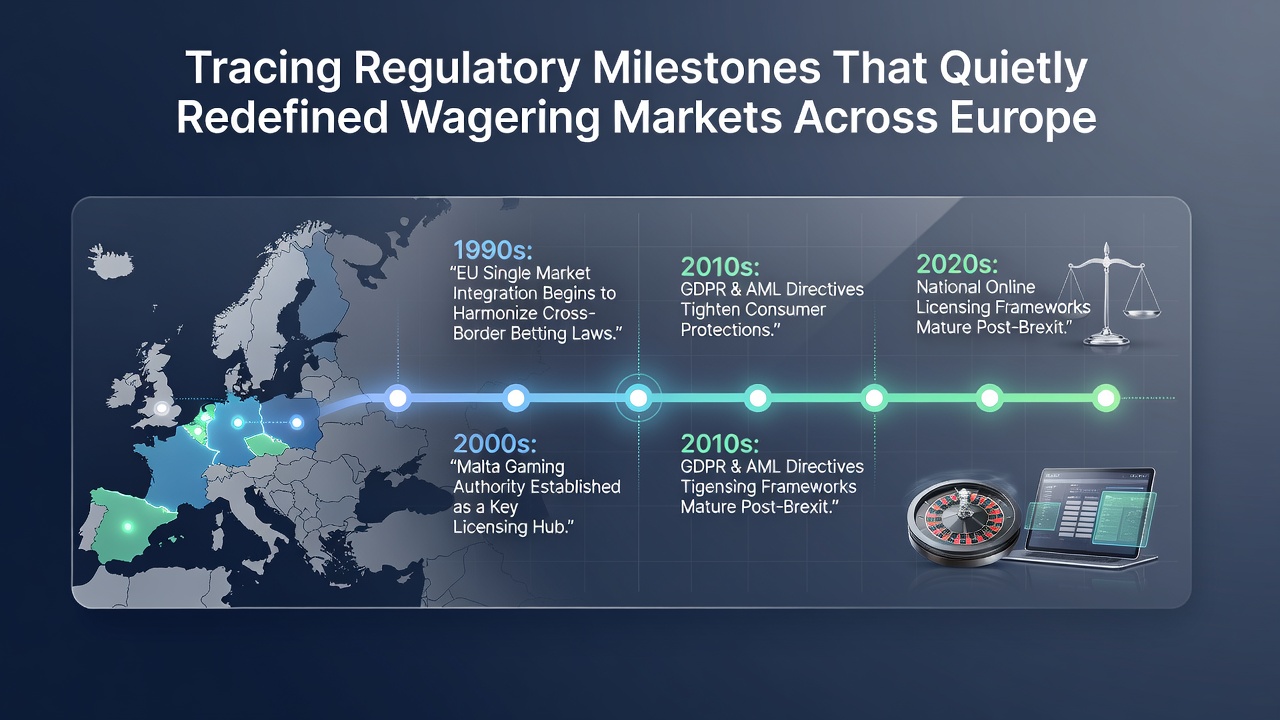
European wagering markets have undergone steady transformations driven by national laws and coordinated EU approaches that began in the early 2000s and continue to shape operations through 2026. These shifts moved many countries away from state monopolies toward licensed private operators while introducing stricter consumer protections and tax structures that altered how platforms compete and report activity.
Early Directives Set the Foundation
The European Court of Justice rulings from 2003 onward clarified that member states could maintain restrictions on gambling services provided they pursued legitimate public interest goals such as preventing addiction and fraud, yet the decisions also opened doors for cross-border challenges that prompted several governments to revise their frameworks. Countries like Italy and Spain responded by creating licensing systems that allowed foreign operators to enter domestic markets under regulated conditions, and those changes generated measurable increases in licensed activity by the end of the decade.
France followed a similar path in 2010 when it passed legislation that opened online poker and sports betting to competition while keeping the lottery under state control, and data from that period showed a rapid rise in declared revenues once operators secured the new permits. The pattern repeated across the continent as governments balanced revenue needs with oversight requirements that demanded detailed reporting on player funds and advertising practices.
National Reforms Accelerate After 2015
Germany implemented its first Interstate Treaty on Gambling in 2012, which later faced legal challenges that led to a revised version taking effect in 2021 and introducing a central licensing authority along with deposit limits and advertising restrictions that applied uniformly across all federal states. Observers note that this centralized approach reduced the previous patchwork of state rules and created clearer compliance pathways for operators active in multiple regions.
The Netherlands opened its market in 2021 through the Remote Gambling Act, which required all platforms targeting Dutch residents to obtain a license from the Kansspelautoriteit and adhere to strict responsible gambling measures including mandatory player identification and loss limits. Figures released by that authority indicated that the number of licensed operators grew steadily once the system stabilized, while unlicensed sites faced blocking orders that redirected traffic toward regulated alternatives.
Coordinated EU Efforts Shape Cross-Border Rules
The European Commission issued guidance documents throughout the 2010s that encouraged member states to align on issues such as money laundering prevention and consumer data protection, and these recommendations influenced national laws even though gambling largely remained a competence of individual countries. By September 2026 several jurisdictions plan to update their licensing fees and tax rates in response to ongoing evaluations of market performance, with some countries exploring unified reporting standards that could simplify operations for companies licensed in multiple states.
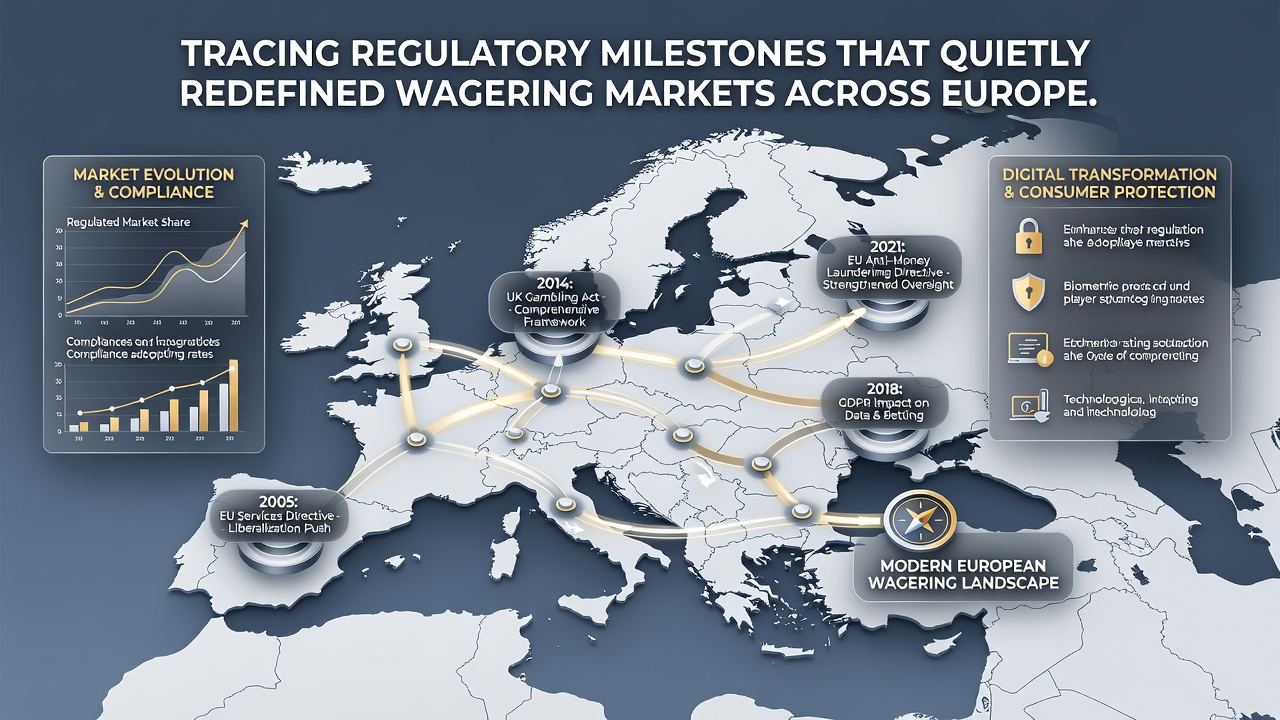
Research from academic institutions such as the European Parliament studies service has tracked how these regulatory layers affected market concentration, revealing that larger operators adapted more readily to new compliance costs while smaller platforms sometimes exited certain territories. The same analyses showed that tax revenues from regulated wagering rose in most countries after licensing regimes replaced informal or monopoly structures, although the exact growth rates varied depending on enforcement strength and advertising allowances.
Recent Adjustments Reflect Enforcement Realities
Spain strengthened its online gambling rules in 2020 with new limits on bonuses and in-play betting features, and subsequent monitoring reports indicated that these measures reduced certain high-risk behaviors while maintaining overall market volume. Portugal and Belgium introduced comparable updates around the same time that emphasized real-time transaction monitoring and age verification technologies, creating technical requirements that operators had to integrate into their platforms.
Those who've examined enforcement data across multiple countries observe that blocking orders and payment restrictions became more common tools once regulators gained experience with unlicensed markets, and the combination of these measures with positive licensing incentives produced gradual shifts in consumer behavior toward legal sites. Industry reports compiled by groups such as the European Gaming and Betting Association document how operators adjusted marketing strategies to comply with varying national advertising codes while still reaching audiences through permitted channels.
Looking Ahead to 2026 and Beyond
Regulatory bodies in several member states continue to review existing frameworks in preparation for potential adjustments scheduled around September 2026, with particular attention to emerging product categories and the impact of digital payment innovations on player tracking. These reviews often incorporate input from public health agencies and financial supervisors, resulting in rules that address both gambling-specific risks and broader consumer protection standards already in place across the EU.
Conclusion
The sequence of court decisions, national legislation, and coordinated guidance has produced wagering markets in Europe that operate under clearer licensing and oversight structures than existed two decades ago. Data from regulatory authorities and independent studies show consistent patterns of increased formalization, higher compliance costs, and evolving consumer safeguards that continue to influence how operators and players interact across borders. These milestones remain relevant as additional updates approach in the coming years.