13 Oct 2026
The Digital Footprint: How Data Trails Reveal Bettor Habits Across Regulatory Borders
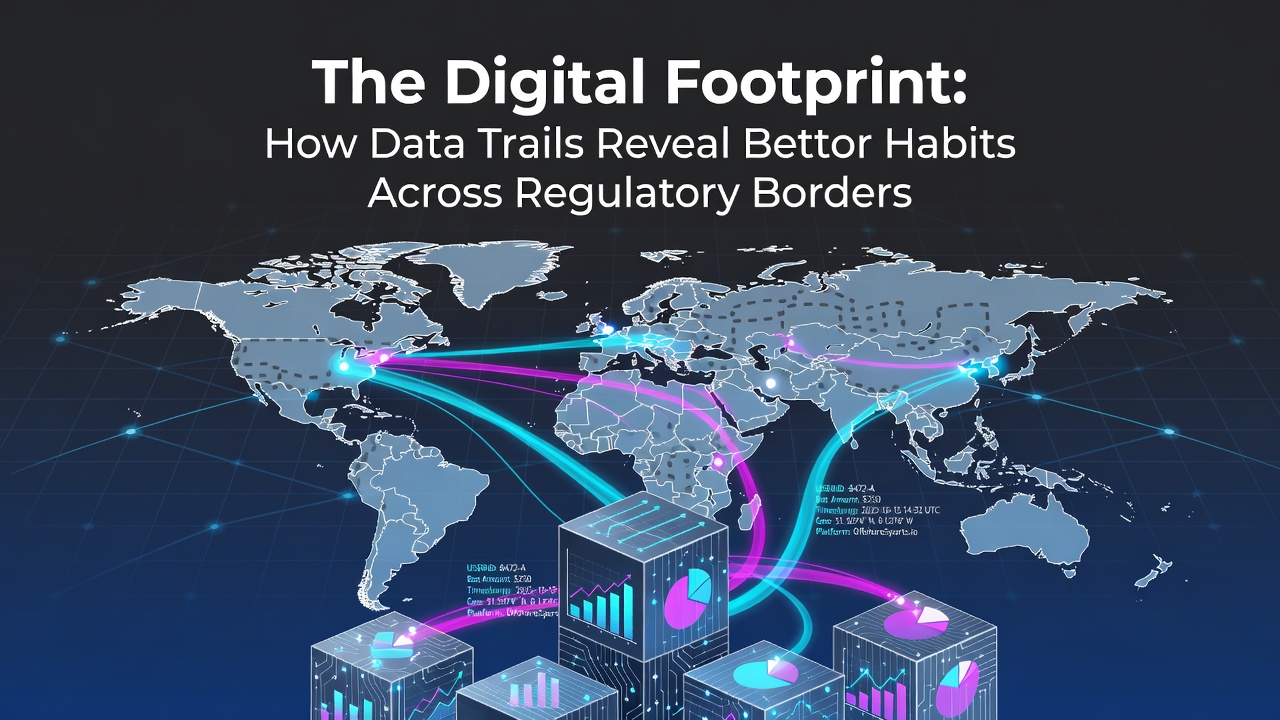
Online betting platforms record every transaction, login, and wager in structured logs that persist long after sessions end, and these records cross regulatory lines when bettors access sites from different jurisdictions. Researchers have traced how IP addresses, device identifiers, and payment metadata form patterns that regulators in separate countries can analyze even when local rules differ sharply. In October 2026, several European data-sharing agreements are scheduled to expand, which means operators must prepare for broader exchanges of anonymized betting logs between member states and partners outside the bloc.
How Betting Platforms Capture User Data
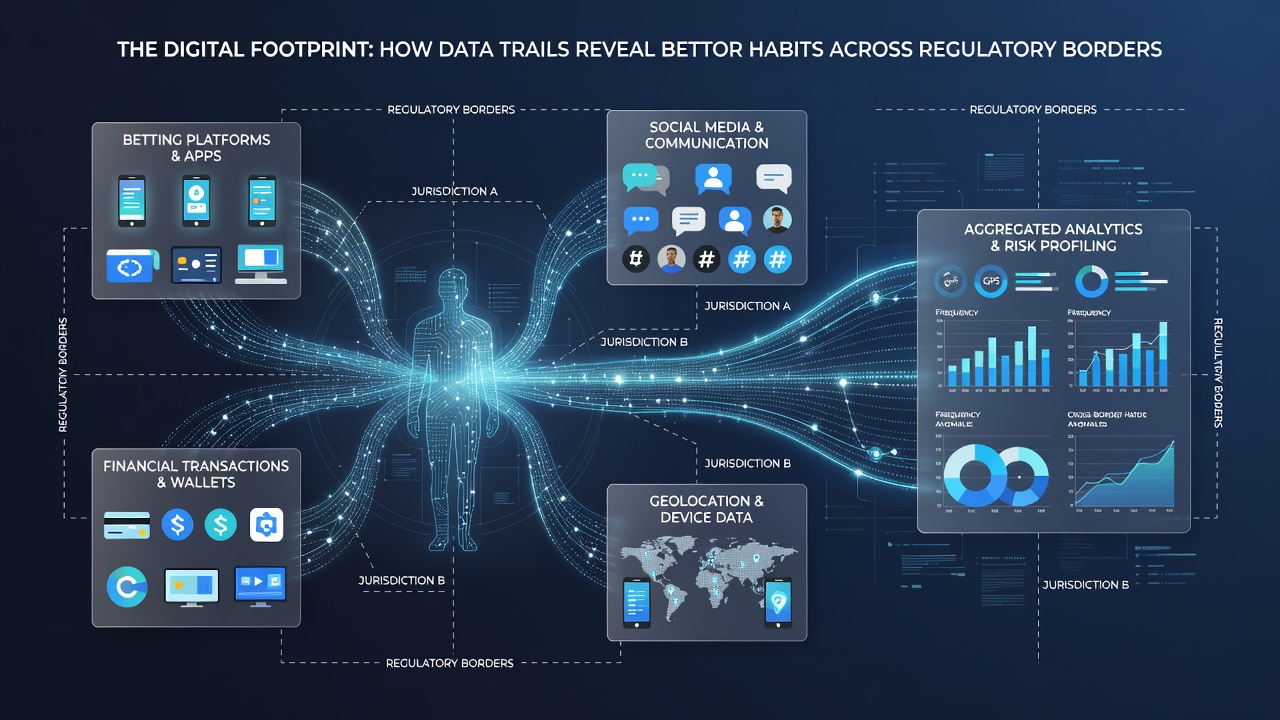
Every time a bettor places a wager, the system logs timestamps, stake amounts, market selections, and connection details such as geolocation signals and browser fingerprints. Payment processors add another layer by recording card BIN numbers, e-wallet addresses, and sometimes cryptocurrency wallet tags. Observers note that these elements combine into unique profiles because no two users generate identical combinations of device settings, betting rhythms, and funding sources. Studies from academic teams at institutions like the University of Sydney have shown that clustering algorithms applied to such datasets can group bettors by risk tolerance and session length within weeks of data collection.
Cross-Border Data Flows and Regulatory Differences
Operators licensed in one country often serve users in others through subsidiaries or white-label arrangements, yet data storage locations follow the license rather than the user’s location. When a bettor in Canada accesses a site hosted under a Malta license, the transaction record travels through servers that must comply with both Canadian provincial rules and Maltese data-retention statutes. The Canadian Centre on Substance Use and Addiction has published analyses showing that cross-border logs reveal higher volumes of late-night betting from users who route connections through multiple time zones. Regulators therefore request subsets of these logs during compliance audits, and the requests cross borders through formal mutual legal assistance channels.
Turns out the same datasets also expose habitual patterns such as repeated deposits after losses or rapid switches between sports markets. Experts at the European Gaming and Betting Association have compiled industry-wide figures that indicate roughly 18 percent of accounts display such sequences within any 30-day window, regardless of the licensing jurisdiction.
Analytical Techniques That Uncover Hidden Habits
Data scientists apply time-series models and graph analysis to map connections between accounts that share devices or funding sources. One study revealed clusters of accounts that place identical bets minutes apart, suggesting coordinated activity rather than independent decisions. These methods work across borders because the underlying variables remain consistent even when currency and language change. Australian researchers using de-identified records from multiple operators found that bettors who maintain accounts in two separate regulatory environments tend to increase stake sizes after crossing into less restrictive markets.
Real-World Examples from Multiple Regions
Take the case of operators serving both Ontario and several EU states: transaction timestamps from Ontario users often align with European evening peaks when adjusted for time zones, revealing that some bettors maintain parallel accounts. Similar patterns appear in reports filed with the Nevada Gaming Control Board, where cross-state comparisons of sports betting data have flagged accounts that move between Nevada and international platforms within hours. The writing’s on the wall that shared technical standards for data fields make such comparisons feasible even when privacy rules differ.
Privacy Frameworks and Their Impact on Data Sharing
GDPR in the EU and PIPEDA in Canada impose consent and minimization requirements, yet both frameworks allow regulators to request aggregated or pseudonymized records for enforcement purposes. Operators therefore strip direct identifiers before transferring logs, but behavioral sequences and timing patterns survive the anonymization process. Observers note that this residual information still permits identification of habit clusters across borders, because the behavioral signatures remain distinctive. In practice, regulators compare these signatures against known problem-gambling indicators without needing names attached to every record.
Conclusion
Data trails generated by betting activity continue to cross regulatory borders through routine operational processes and formal information exchanges. Analytical tools applied to these trails consistently surface patterns in timing, stake progression, and market selection that persist regardless of licensing jurisdiction. As scheduled expansions of data-sharing agreements take effect in late 2026, operators and regulators alike will work with larger combined datasets that span multiple continents. The result is a clearer, evidence-based picture of how bettors behave when rules change at the border.